
The water round Ibiza is clear enough to see thirty metres on a calm day, and the reason is a plant. The seabed here is carpeted in posidonia, a seagrass that filters the water and oxygenates it, and the meadows off Ibiza and Formentera are part of the islands' UNESCO World Heritage listing.
That gives you a coastline where a mask is worth packing. We have set the coves out roughly north to south so you can pick by where you are staying.
Cala Xarraca, north
The clearest water on the island on its day, with visibility out to about thirty metres when the sea is flat. It is a small north-coast cove with rock on both sides and a sand and rock seabed, and the shelter means it stays calm when the north coast generally is not.
Access is easy and there is a restaurant above the cove, which makes it the most straightforward good snorkelling on Ibiza.
Cala d'Albarca, north
The opposite in every way. No sand, large boulders, an unsurfaced track and a walk in, and deep clear water straight off the rock. It is the serious end of the list and it rewards confident swimmers.
There is nothing there at all, so take water. The full picture is in our guide to Cala d'Albarca.
Cala Mastella, east
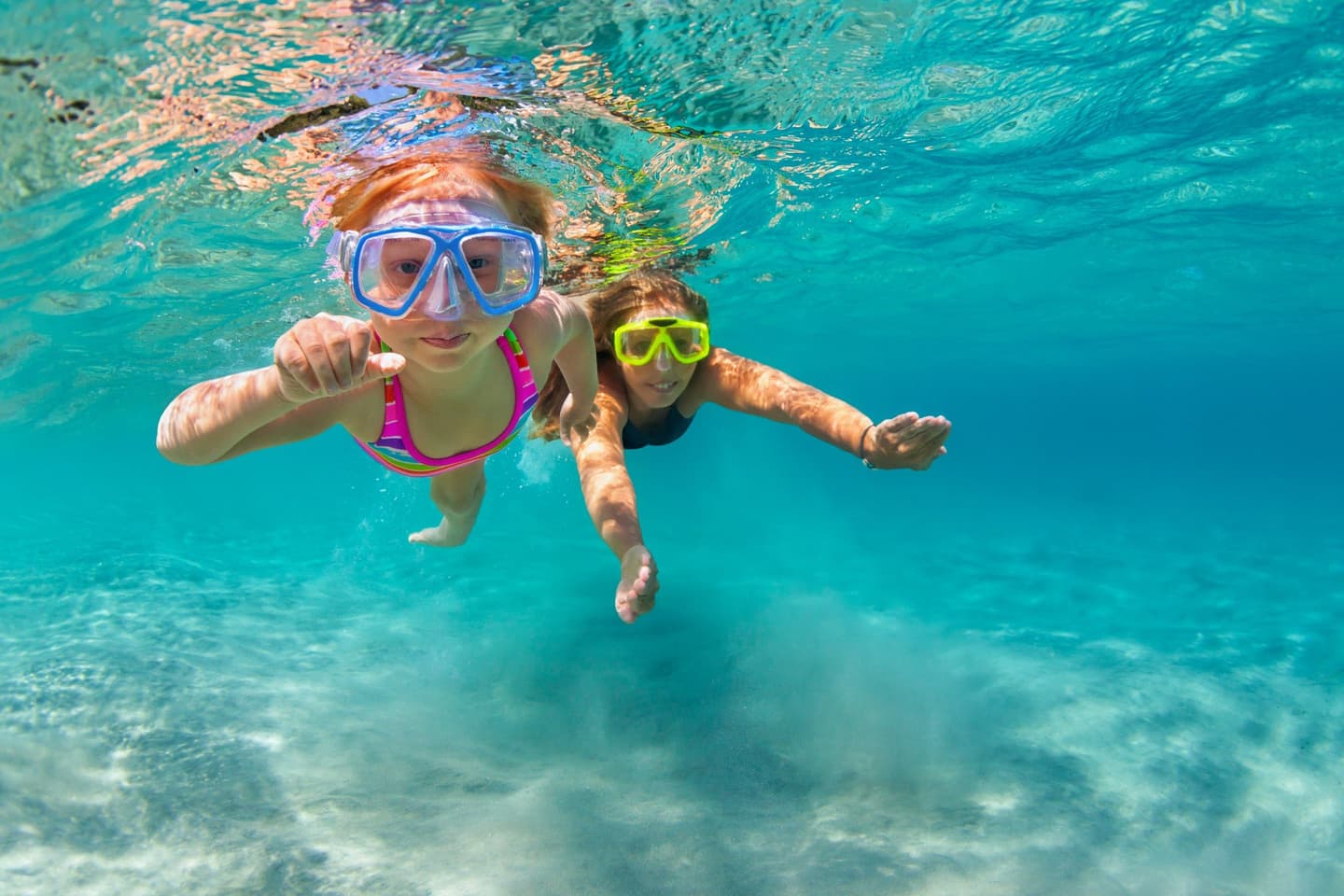
Tiny, sheltered and rocky, with natural rock platforms to get in from and a sand-and-rock bottom that brings fish in close. It is one of the easiest coves on the island to snorkel with children, because nothing about it is exposed.
Cala Olivera, east
Thirty metres of shore, rock ledges on both sides and clear water over mixed ground. The rock is what to follow rather than the sand, and the cove is small enough to cover in half an hour.
Cala d'Hort, south-west
Snorkelling under Es Vedra, which is worth a certain amount on its own. The water is calm and clear, and the rock at the northern end of the beach holds more than the sand in the middle.
Cala Carbo, south-west
Pebbles, a mostly rocky seabed and very little swell, with rock on both sides to work along. The absence of sand is what keeps the water as clear as it is.
What to know before you get in
Do not stand on the seagrass. It grows a couple of centimetres a year and it is protected.
Early or late. The sea is flattest and the visibility best in the first hours of the day and the last.
Rock beats sand. A sandy bottom is comfortable and empty. The fish are along the edges.
Check the wind. A northerly closes the north coast and a southerly closes the south, and the island is narrow enough to drive to the other side.
Quick answers
Where is the clearest water on Ibiza? Cala Xarraca on the north coast, on a calm day.
What will I see? Seabream, saddled bream, octopus, starfish and the seagrass meadows themselves.
Is it good for children? Cala Mastella and Cala Olivera are the two sheltered ones.
Do I need a wetsuit? Not from June to October. Outside that, yes.
Can you snorkel from the big beaches? You can, but the sandy bays hold less. Go where there is rock.
Is there anywhere off limits? Parts of the marine reserve restrict fishing rather than swimming. Take nothing out of the water.